
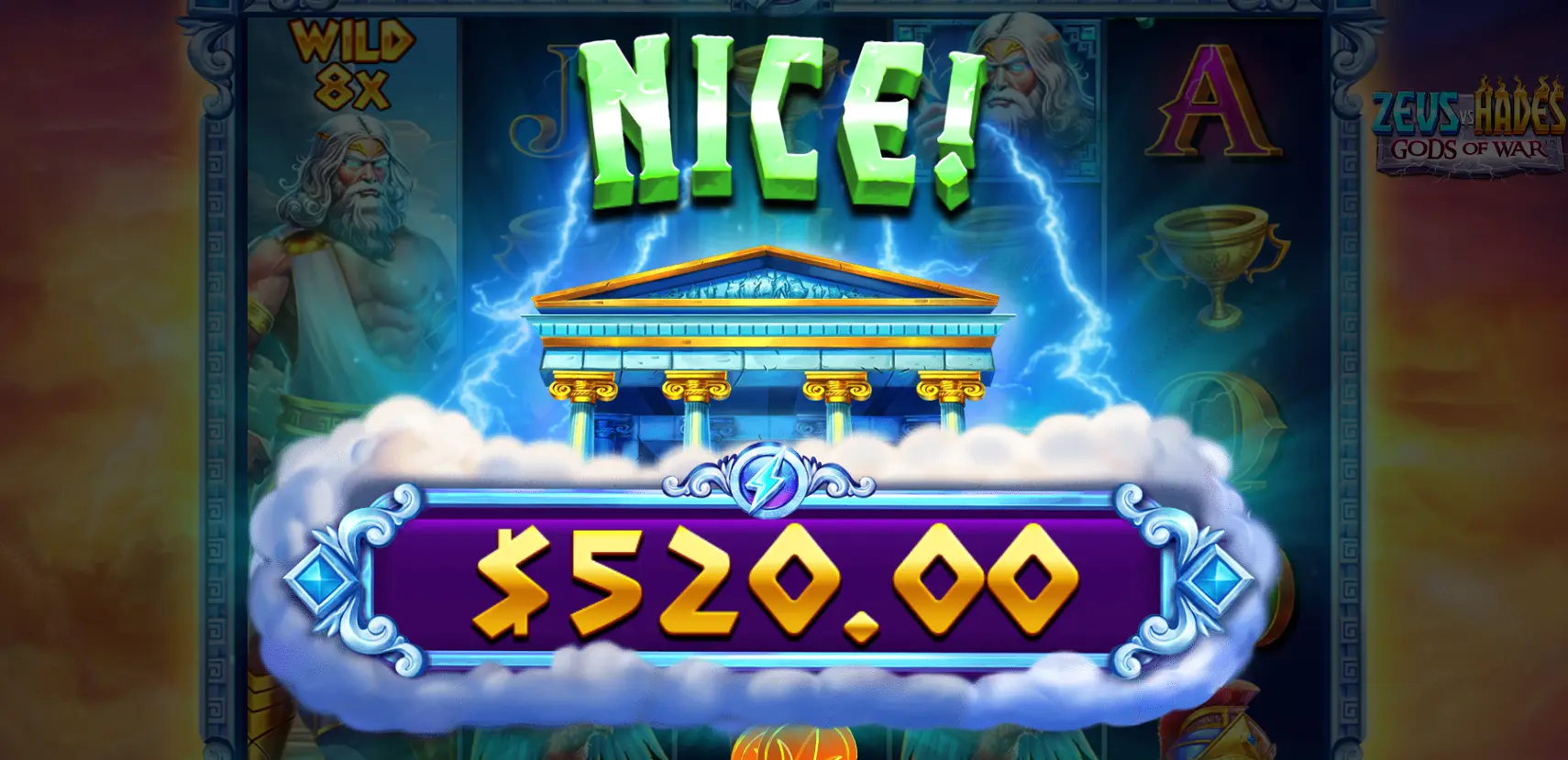
RTP (RTP) is a vital metric for players engaging with slot games in the United Kingdom. It offers insight on the expected long-term returns of particular games, such as Zeus and Hades. While the RTP for Zeus stands at 95.02%, Hades offers a marginally lower figure of 94.86%. This variation, though small, may significantly influence player tactics and satisfaction. Understanding these subtleties can shape one’s strategy for gameplay—and the implications are important to consider.
Final Thoughts on RTP in Slot Selection
RTP has a significant role in the decision process when choosing slot games. Players who prioritize Return to Player percentages obtain a considerable advantage, allowing them to make informed choices that align with their gaming goals. By focusing on games with higher RTP values, players increase their chances of positive outcomes, thereby enhancing their overall experience.
It is crucial for players to assess not only the RTP but also the variability of the slot games, as these elements interact to influence potential returns. Aligning RTP with personal risk tolerance will enable players to interact with games that fit their financial plans.
Finally, understanding RTP allows for a strategic approach in choosing between games like Zeus and Hades. By harnessing this knowledge, players can exert more control over their gameplay, ultimately resulting to a more fulfilling and possibly profitable gaming experience.
Educated choices are the foundation of successful slot play.
Impact of RTP on Gameplay Experience
Understanding RTP can significantly enrich a player’s gameplay experience, as it gives insights into the projected return on their wagers over time. By comprehending the RTP percentage associated with Zeus and Hades slots, players can make informed decisions about which game fits better with their risk tolerance and financial strategy. A higher RTP often indicates that players may foresee more advantageous returns, making it enticing for those seeking consistency in their gameplay.
Additionally, knowledge of RTP influences the cognitive elements of gaming. Players with a thorough grasp of prospective returns can maintain authority over their plans, handling anticipations and minimizing impulsive behavior.
As players seek to enhance their pleasure, acknowledging that RTP is not merely a number but a leading measure also contributes to a more focused and deliberate method to gameplay. Eventually, this understanding enables players, improving their entire experience while navigating through the exhilarating realms of the Zeus and Hades slots.
Key Takeaways
- RTP (Return to Player) demonstrates the expected return percentage of bet money in slot games, affecting player choices in Zeus and Hades.
- Zeus slot has a superior RTP of approximately 95.02%, compared to Hades’ 94.86%, indicating greater long-term returns for players.
- Players often choose slots based on RTP to enhance potential winnings and modify betting strategies for best results.
- Understanding RTP can help control expectations, minimize impulsive behaviors, and promote informed gameplay decisions for both slots.
- Balancing RTP with personal risk tolerance enhances players’ involvement and enjoyment in games like Zeus and Hades.
What Is Return to Player (RTP)?
RTP (RTP) is a fundamental concept in the field of gaming, representing the percentage of wagered money that a slot machine or game is designed to return to players over time. Essentially, it serves as a key indicator of a player’s expected return during gameplay, directly influencing their decision-making process. A higher RTP indicates that players can expect a larger share of their bets returned, consequently offering a sense of control over potential outcomes.
For those who are drawn toward tactical choices, understanding RTP can efficiently guide betting practices. A player can evaluate various games’ RTP rates to make well-informed selections, potentially optimizing their gaming experience.
Comparing RTP of Zeus and Hades Slots
While both the Zeus and Hades slots entice players in with their captivating themes and compelling gameplay, their RTP values offer distinct factors that can impact a player’s choice.
The Zeus slot typically offers a Return to Player (RTP) percentage close to 95.02%, providing a equitable opportunity for return on investment.
In contrast, the Hades slot provides a marginally varying RTP of close to 94.86%. While this difference may appear minimal, it can influence long-term outcomes for players making strategic decisions.
For those modifying their betting strategies or handling bankrolls, RTP figures serve as crucial data points.
Players who prioritize higher RTP might find Zeus more attractive, while others may favor the unique features of Hades in spite of its somewhat lower RTP.
Understanding these values allows players to make educated choices, ultimately improving their control over the gambling experience.
Such analysis is crucial in the cutthroat landscape of UK slot gaming.
Strategies for Maximizing RTP Benefits
To enhance the advantages of RTP, players should adopt a strategic strategy that prioritizes informed choices and fund management. Understanding the RTP proportion of selected games, such as Zeus or Hades, is essential. Players should prioritize slots with higher RTP rates, as these offer superior extended returns.
Establishing a budget before gameplay helps players keep command over their spending. By establishing limits on losses, players can safeguard their budget and avoid impulsive choices.
Additionally, players should utilize rewards and offers that increase their fund without additional risk. Engaging in gameplay during less busy hours may lead to a more beneficial setting for triumphing due to reduced rivalry.
It is also recommended to periodically examine gameplay outcomes, refining plans based on outcomes. Through controlled plans and knowledgeable decisions, players can considerably amplify their RTP benefits while relishing the encounter of Zeus vs. Hades slot play.
Frequently Asked Questions
How Is RTP Calculated for Slot Games?
RTP, or Return to Player, is calculated by determining the total amount wagered on a slot game compared to the total amount paid out over time.
This analytical method takes into account millions of spins to ensure accuracy. Through this thorough analysis, developers derive a percentage that represents what players can expect to win back.
Understanding this figure empowers players, giving them the knowledge to make educated decisions about their gaming experiences.
Can RTP Change Over Time for a Slot?
Yes, the Return to Player (RTP) percentage for a slot game can vary over time, based on various factors.
Game developers may modify the RTP to improve player experience or in response to market conditions and regulatory requirements.
However, such changes usually occur infrequently and are commonly communicated openly to players.
Hence, it is essential for players to stay updated about these changes to retain control over their gaming experience.
What Does a High RTP Indicate?
A high RTP, or Return to Player percentage, shows a greater chance of returning funds to players over time, contrasted with lower RTP games that might yield less advantageous outcomes.
This promise of potential winnings can strengthen players, giving them a sense of control over their gaming experience. As a result, they may choose games with elevated RTPs, considering them as more reliable choices in the ever-unpredictable world of slot machines.
Is RTP the Same as Volatility?
RTP and volatility are not the same; they serve different purposes in gaming analysis.
RTP, or Return to Player, represents the percentage of wagered money a game is projected to return over time, while volatility relates to the risk associated with a game’s payouts.
High volatility games may yield significant payouts but less common wins, while low volatility games provide more regular, smaller wins, potentially affecting a player’s strategy and experience.
How Can I Find a Game’s RTP?
To find a game’s Return to Player (RTP), one can commonly check the game’s rules or information section, often reachable within the game itself.
This information might also be available on the casino website or in a game’s promotional materials.
For the most detailed details, reputable gaming review sites often publish RTP percentages for various games, providing a clear insight of potential returns and assisting players make educated decisions about their gameplay.